
 0
0
 0
0
Why Smart Homes Are Redefining Modern Living
Smart home technology has moved beyond novelty and convenience to become an integral part of modern living. As households increasingly adopt connected devices, the focus has shifted from automation alone to security, efficiency, and peace of mind. Smart homes now offer systems that allow residents to monitor, manage, and protect their living spaces in real time, regardless of location.
This transformation has been driven by advancements in mobile applications, wireless connectivity, and artificial intelligence. Devices that once functioned independently are now part of integrated ecosystems designed to communicate seamlessly. From smart locks and cameras to lighting and climate control, technology enables homeowners to create environments that respond intelligently to daily routines.
However, increased connectivity also introduces new concerns around data privacy and cyber risks. Building a high-tech home requires balancing innovation with responsibility. Understanding how smart home apps and devices work together allows homeowners to enjoy technological benefits while maintaining safety and control over personal information.
Core Smart Home Devices Enhancing Residential Security
Smart security devices form the backbone of modern connected homes. Smart locks, video doorbells, and surveillance cameras provide real-time monitoring and control. These devices allow homeowners to verify access, monitor activity, and receive alerts through mobile applications. Unlike traditional systems, smart devices adapt to changing conditions and user preferences.
Video doorbells offer visual verification of visitors, enhancing security without physical interaction. Smart locks allow remote access management, enabling homeowners to grant or revoke entry as needed. Indoor and outdoor cameras provide continuous monitoring and cloud-based storage for recorded footage.
When integrated thoughtfully, these devices contribute to smart home security and automation solutions that prioritize both safety and convenience. The key lies in selecting devices that offer encryption, regular firmware updates, and transparent data policies. Security-focused technology empowers homeowners without introducing unnecessary vulnerabilities.
Smart Home Apps as Central Control Hubs
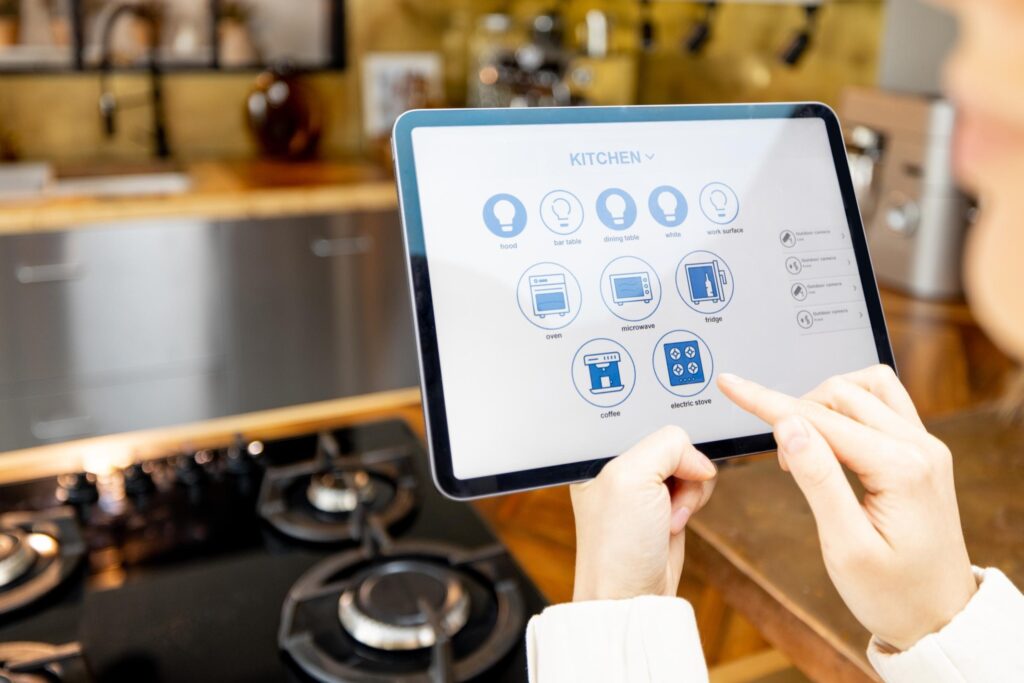
Smart home apps act as command centers, connecting multiple devices into unified systems. Through mobile interfaces, homeowners can monitor activity, adjust settings, and receive notifications in real time. This centralized control simplifies management while enhancing situational awareness.
Leading smart home platforms support automation rules that trigger actions based on conditions such as time, location, or sensor input. For example, lights may activate when motion is detected, or alarms may arm automatically when residents leave. These features enhance security by reducing reliance on manual actions.
However, app selection requires careful consideration. Secure apps employ strong authentication methods, including biometric access and two-factor verification. Choosing platforms that prioritize user privacy and provide transparent permissions ensures that control remains firmly in the hands of homeowners.
Balancing Automation with Privacy and Cybersecurity
While automation enhances convenience, it also raises privacy considerations. Connected devices collect data related to daily routines, movement, and usage patterns. Without proper safeguards, this information may become vulnerable to unauthorized access or misuse.
Homeowners should prioritize devices that encrypt data both in transit and at rest. Regular software updates are essential for patching vulnerabilities. Using strong, unique passwords and secure networks further reduces exposure to cyber threats.
Education plays a critical role in safe adoption. Understanding privacy settings, data-sharing permissions, and network security empowers homeowners to maintain control. A well-secured smart home balances innovation with responsible digital practices, ensuring that technology enhances safety rather than undermines it.
Integrating Smart Technology for Practical Daily Use
Smart homes achieve maximum value when technology aligns with lifestyle needs. Automation should simplify routines rather than complicate them. For example, smart lighting that adjusts to natural daylight improves comfort and energy efficiency without constant user input.
Energy management systems allow homeowners to monitor consumption and optimize usage. Smart thermostats adapt to occupancy patterns, reducing costs while maintaining comfort. These practical applications demonstrate how smart technology extends beyond security into overall household management.
Effective integration requires thoughtful planning. Homeowners benefit from starting with core systems and expanding gradually. This approach ensures compatibility, reduces complexity, and allows users to adapt comfortably to new technology.
Future Trends in Smart Home Safety and Innovation
The smart home landscape continues to evolve rapidly. Emerging technologies include AI-driven threat detection, enhanced biometric authentication, and improved interoperability between devices. These advancements promise greater accuracy, responsiveness, and personalization.
Manufacturers are increasingly focusing on user-centric design, emphasizing transparency and control. Regulatory attention to data protection is also shaping development standards, encouraging safer and more ethical technology practices.
As innovation accelerates, informed decision-making becomes essential. Homeowners who stay aware of trends and best practices position themselves to adopt technology responsibly. Future-ready homes prioritize adaptability, security, and user trust as foundational principles.
Conclusion
Smart home technology offers powerful tools for enhancing security, efficiency, and daily convenience. When implemented thoughtfully, connected devices and applications support safer living environments without compromising privacy. By focusing on trusted knowledge for everyday decisions, homeowners can navigate smart home adoption with confidence and clarity. Balancing innovation with security ensures that technology remains a supportive asset rather than a source of risk. As smart homes continue to evolve, informed choices will define the difference between convenience-driven automation and truly secure, high-tech living.


