
 0
0
 0
0
A Region of History, Transformation, and Discovery
The Middle East has long captured global attention for its deep history, cultural richness, and geographic diversity. In recent years, the region has also emerged as a dynamic travel destination, welcoming modern travelers with renewed openness, improved infrastructure, and thoughtfully curated experiences. From ancient cities and desert landscapes to contemporary architecture and vibrant cultural scenes, the Middle East offers a journey that blends past and present seamlessly.
Travelers today are increasingly drawn to destinations that provide more than sightseeing. The Middle East responds to this desire with immersive experiences rooted in tradition, hospitality, and storytelling. Many countries in the region have invested in tourism initiatives that emphasize cultural preservation while adapting to modern expectations.
Understanding what to expect before visiting enhances the travel experience significantly. Cultural awareness, respect for local customs, and openness to learning are key. When approached thoughtfully, travel in the Middle East becomes a rewarding exploration of heritage, innovation, and human connection.
Iconic Destinations Redefining Travel in the Middle East
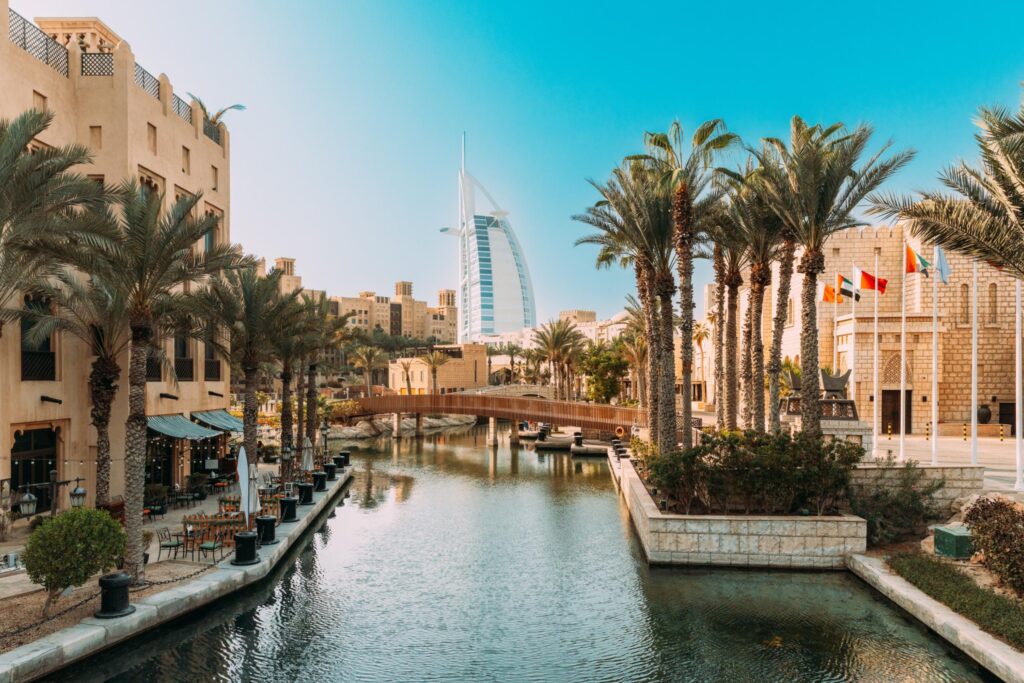
The Middle East offers a diverse range of destinations that appeal to different travel interests. Cities such as Dubai and Doha showcase futuristic skylines, luxury accommodations, and world-class attractions, while historic cities like Jerusalem, Petra, and Cairo offer profound insight into ancient civilizations. This contrast allows travelers to experience multiple eras within a single journey.
Saudi Arabia’s recent expansion into tourism has introduced destinations such as AlUla, where dramatic rock formations and archaeological sites highlight pre-Islamic history. Oman attracts travelers seeking natural beauty, with mountains, coastlines, and preserved heritage towns offering tranquil alternatives to urban centers.
Each destination provides distinct experiences shaped by geography and history. Exploring these places through cultural travel experiences in the Middle East allows travelers to engage deeply with the region rather than simply observe it, fostering meaningful appreciation and understanding.
Cultural Experiences That Shape Meaningful Journeys
Culture lies at the heart of Middle Eastern travel. Hospitality is deeply ingrained, and visitors are often welcomed with generosity and warmth. Shared meals, traditional greetings, and local customs create opportunities for genuine interaction that leave lasting impressions.
Markets and souks offer sensory-rich experiences, blending aromas, colors, and craftsmanship. Handwoven textiles, spices, and traditional goods reflect centuries-old practices still alive today. Participating respectfully in these environments offers insight into daily life beyond tourist attractions.
Religious and cultural sites require awareness and sensitivity. Modest dress, respectful behavior, and adherence to local guidelines demonstrate appreciation for tradition. When travelers engage with culture thoughtfully, experiences become reciprocal exchanges rather than passive observation.
Modern Infrastructure and Travel Accessibility
Infrastructure development has significantly improved accessibility across the Middle East. Modern airports, efficient transportation systems, and high-quality accommodations support seamless travel experiences. Many countries have streamlined visa processes and enhanced traveler services to attract international visitors.
Technology plays a growing role in travel convenience. Digital payment systems, navigation apps, and multilingual services reduce barriers for travelers unfamiliar with the region. These advancements enable exploration with greater confidence and independence.
Despite modernization, traditional elements remain integral. Modern infrastructure complements rather than replaces cultural identity, allowing travelers to experience comfort alongside authenticity. This balance contributes to the region’s appeal among contemporary travelers seeking both ease and depth.
Understanding Customs, Etiquette, and Social Norms
Respect for local customs enhances travel experiences and prevents misunderstandings. Social norms in the Middle East often emphasize modesty, politeness, and community values. Learning basic cultural expectations demonstrates respect and openness.
Public behavior, dress codes, and social interactions may differ from Western norms. Travelers who research customs in advance are better prepared to adapt comfortably. Simple gestures, such as greeting etiquette or dining practices, foster positive interactions.
Cultural awareness does not limit enjoyment; rather, it enriches engagement. Understanding context allows travelers to appreciate traditions authentically and navigate social settings with confidence.
Safety, Comfort, and Expectations for Modern Travelers
Safety is a common concern among first-time visitors. Many Middle Eastern destinations maintain high safety standards, particularly in major cities and tourist areas. Travelers benefit from staying informed through official advisories and local guidance.
Comfort expectations vary by destination, but accommodations range from luxury hotels to boutique heritage stays. Travelers can tailor experiences to suit preferences and budgets. Cultural sensitivity contributes to smoother interactions and enhanced comfort.
Preparation supports positive travel outcomes. Researching destinations, respecting customs, and remaining adaptable allow travelers to focus on exploration rather than uncertainty. The Middle East rewards curiosity with depth, perspective, and memorable experiences.
Conclusion
Exploring the Middle East offers modern travelers an opportunity to engage with a region defined by history, hospitality, and transformation. From iconic destinations and immersive traditions to contemporary infrastructure and evolving tourism landscapes, the region presents diverse experiences that appeal to thoughtful exploration. By embracing meaningful guides for everyday exploration, travelers approach journeys with awareness and respect, unlocking deeper connections and understanding. When traveled responsibly, the Middle East reveals itself not as a distant concept, but as a living tapestry of cultures, stories, and shared humanity that leaves lasting impressions well beyond the journey itself.


